
Why timing matters in a Sydney garden
Sydney’s seasons are mild compared with most of Australia, which makes it easy to garden on autopilot. Timing still decides the result. A hedge cut straight after its spring flush thickens up, while the same cut in a January heatwave scorches. Lawn food spread while warm-season grass is growing is used within weeks. Spread in July, while the grass is barely growing, much of it is wasted.
This calendar follows the jobs a horticulturist plans for an established garden on the North Shore and Northern Beaches. Gardens near the coast rarely see frost, while cooler pockets of the upper North Shore can, so treat the months as a guide rather than a deadline.
Spring: September, October and November
Spring is the busiest season. Everything starts growing at once, so the jobs done now set up the rest of the year.
| Month | Key jobs |
|---|---|
| September | Feed lawns as they start growing again, and begin regular mowing. Plant summer herbs and vegetables once nights warm up. Check the irrigation for leaks before it is needed. |
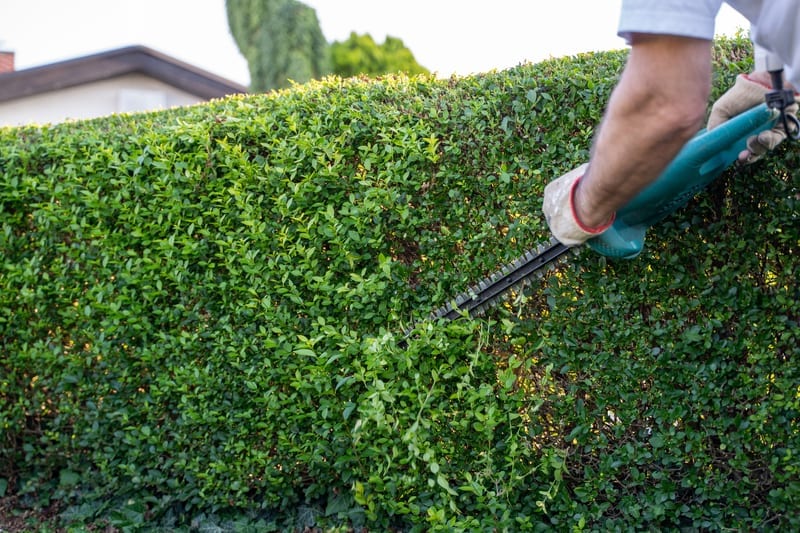
| October | Give hedges their main cut once the spring flush has firmed up. Prune spring flowering shrubs as they finish. Watch roses and citrus for aphids on new growth. |
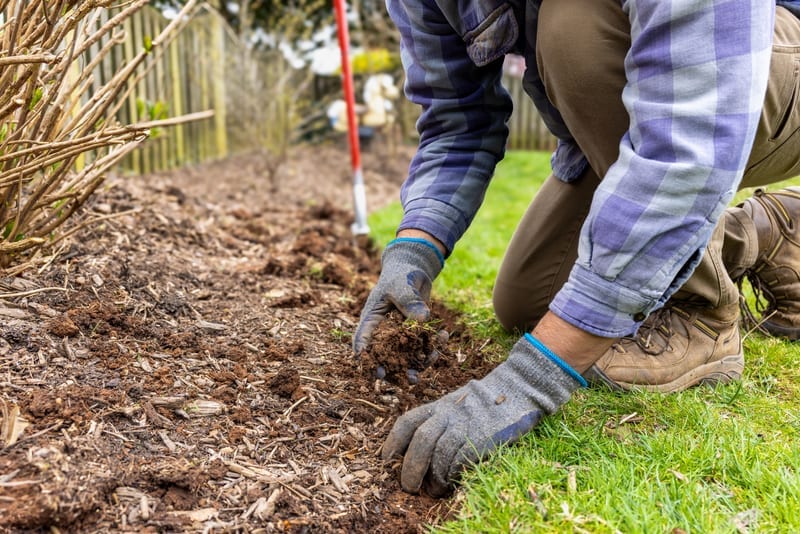
| November | Top up mulch to around 50 to 75 millimetres before summer. Raise the mowing height as the weather heats up. In dry spells, water deeply once a week rather than a little every day. |
Summer: December, January and February
Summer in Sydney is as much about humidity and storms as heat. The aim is to help the garden cope, not to push it into new growth.
| Month | Key jobs |
|---|---|
| December | Water early in the morning, when less is lost to evaporation. Trim hedges lightly rather than hard. Check pots often, since they dry out fastest. |
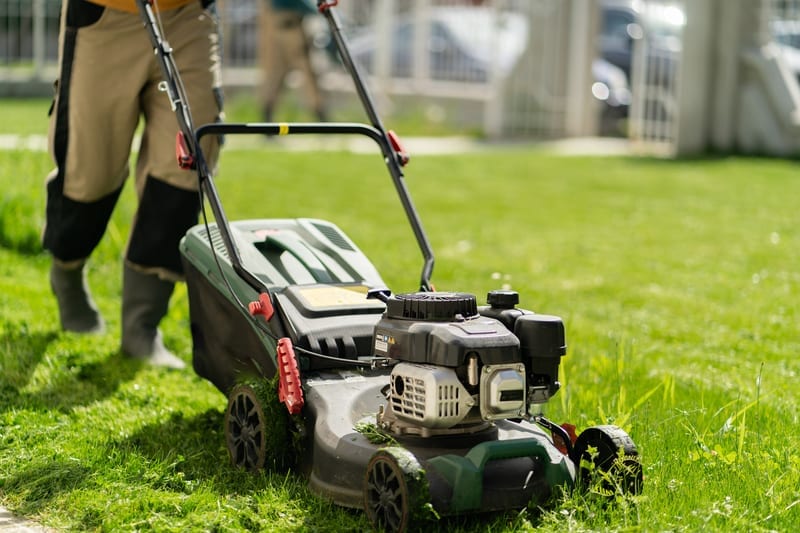
| January | Mow high, and never take off more than a third of the leaf at once. Deadhead flowering plants to keep them going. Look for dry patches in the lawn that shed water instead of soaking it up. |
| February | Watch lawns for armyworm, which often turns up in late summer and autumn. Clear gutters ahead of late summer storms. Give citrus a light feed. |
Autumn: March, April and May
Autumn is the best planting season in Sydney. The soil is still warm from summer, the air is cooler, and new plants have months to settle their roots before the next hot spell.
| Month | Key jobs |
|---|---|
| March | Feed lawns before their growth slows for winter. Give hedges their second, lighter trim. Start planting trees, shrubs and natives. |
| April | Plant spring flowering bulbs. Divide crowded clumping plants such as agapanthus. Rake up leaves before they smother the lawn. |
| May | Finish planting while the soil is still warm. Clear gutters as deciduous trees drop their leaves. Ease back on watering as the evenings cool. |
Winter: June, July and August
Winter is quiet but useful. With little growth to manage, it is the time for structural jobs that are hard to see in a garden in full leaf.
| Month | Key jobs |
|---|---|
| June | Plant bare rooted roses and deciduous trees. Mow less often as growth slows. Cut back perennials that have finished for the year. |
| July | Prune roses. Prune deciduous trees and vines while they are bare and their structure is easy to see. Check trees for limbs damaged in winter storms. |
| August | Dig compost into beds ready for spring planting. Feed citrus and other fruit trees as the season turns. Service the mower and sharpen tools before spring. |
How to keep to the calendar without thinking about it
Most of these jobs are small. What makes them hard is remembering each one in the right month, every year. That is exactly what regular scheduled maintenance is for: a horticulturist walks the garden, writes a twelve month schedule around what is actually growing, and the jobs happen in their season without anyone having to remember them.