Why lawns struggle under North Shore trees
Big trees are a large part of what makes the North Shore feel established, and they are hard on lawns. Shade is only one of the problems. Tree roots take water and nutrients from the same soil the grass relies on, falling leaves smother it, and shaded ground stays damp for longer, which suits moss and fungal disease.
The shade also moves with the seasons. The sun sits lower in winter, so a lawn that looks fine in January can spend most of July in shadow, just when warm-season grass is growing least and least able to recover.
How much sun does your lawn actually get?
Before choosing a grass, measure the light. Most people overestimate it, because they notice the spot at its sunniest.
- Pick a clear day in winter, when the sun is lowest and the shade is longest.
- Check the spot, or take a photo from the same place, every hour from morning to late afternoon.
- Count the hours of direct sun. Filtered light through a canopy counts for roughly half.
- Plan for the winter figure. A grass that only gets enough sun in summer will thin out every winter.
Which grass copes best with shade?
| Grass | Shade tolerance | Direct sun needed | Mowing |
|---|---|---|---|
| Soft leaf buffalo | Good | About 3 to 4 hours | Every week or two in summer |
| Zoysia | Moderate | About 4 to 5 hours | Less often, it grows slowly |
| Kikuyu | Poor | 6 hours or more | Often, it grows fast |
| Couch | Poor | 6 to 8 hours | Often in summer |
The figures are a guide, and newer varieties within each type differ, so check the variety before you buy turf. As a rule, soft leaf buffalo is the safe choice for part shade, zoysia suits lawns with a good half day of sun where less mowing appeals, and couch and kikuyu belong in open, sunny lawns.
How to keep a shaded lawn healthy
- Mow higher. Longer leaves catch more of the light that is available, so raise the mower a notch or two in shaded areas.
- Water deeply but less often. Shaded soil dries slowly, and constant moisture invites fungal disease.
- Feed lightly. Grass in shade grows slowly and needs less fertiliser than the same lawn in full sun.
- Rake up leaves promptly, before they block the light and hold moisture against the grass.
- Ease wear. Shaded grass recovers slowly, so move furniture around and use stepping stones where people always walk.
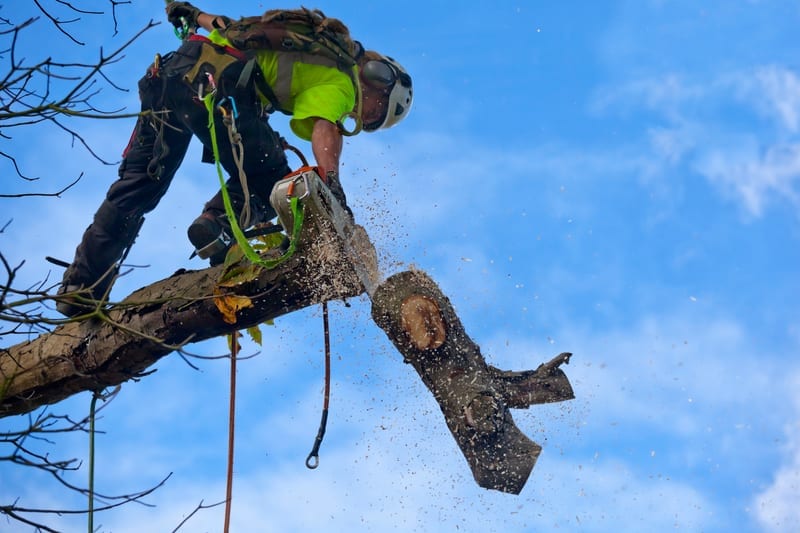
- Let more light in. Lifting or thinning the tree canopy can make a real difference, but check the rules first, and use a qualified arborist.
What to plant where grass will not grow
Some spots are simply too dark for any lawn. Rather than returfing every year, plant something that likes those conditions.
- Dichondra repens, a low native groundcover sometimes called kidney weed, which copes with shade and light foot traffic.
- Native violet, Viola hederacea, which spreads into a soft carpet in damp, shaded ground.
- Mondo grass, which forms dense, low clumps and never needs mowing.
- Clivia, a reliable choice for dry shade under established trees.
- A mulched bed or permeable paving, where the shade is deep and the ground is busy.
Choosing what to plant is easier with someone who can see the site. A garden advice visit looks at the light, soil and drainage in each part of the garden before anything is bought.